Homeowners starting fall projects are running into a new budgeting gatekeeper: home insurance. Premiums and deductibles have risen unevenly, and carriers are tightening roof and hazard standards. That pressure shows up in monthly payment math and can sink otherwise viable projects—even as borrowing costs ease. (The Washington Post)
Replacement costs in property insurance are forecast to outpace consumer inflation in 2025. Premium pressure and stricter underwriting are likely to persist. Remodelers that scope for insurability early keep jobs funded and moving. (Insurance industry analyses)
What Insurers Are Flagging Now
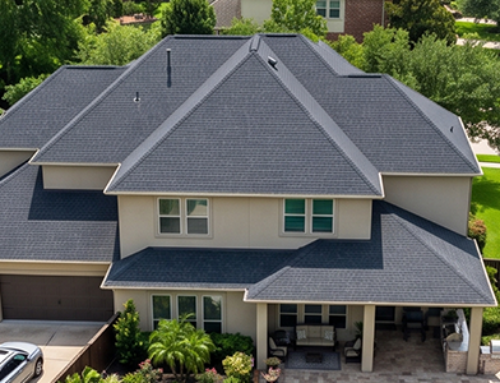
- Roofs drive decisions. Underwriters are scrutinizing roof age, install quality, and exposure to wind, hail, and wildfire. Separate wind/hail deductibles and roof schedules are more common, shifting risk to owners unless mitigation is addressed upfront. (IBHS)
- Premiums keep climbing. National trackers report back-to-back annual increases in average homeowners premiums from 2023 through 2025. Many owners now cite insurance as a reason to delay or scale back plans; replacement-cost inflation is expected to run hotter than CPI. (Bankrate)
Key insight: Roof condition is now a pricing and eligibility variable—not just a maintenance issue. Claims data show roof performance as the most decisive factor in storm losses and coverage terms. (IBHS)
🔵 BPA Tool: Profit Tune-Up
Benchmark margins, job costing, and cash routines to lift net profit—
👉 Access Your BPA →
Scope for Insurability
A remodel that elevates resilience can help the owner keep coverage, moderate premiums, and satisfy lender conditions. These upgrades tend to move the insurance needle first:
- Upgrade the roof assembly. Specify Class A coverings, sealed roof decks, improved underlayments, and manufacturer-approved details to reduce water intrusion. Testing shows sealed decks dramatically cut interior damage when coverings fail.
- Harden openings. In wind-exposed markets, impact-rated glazing or shutters limit breach risk and may qualify for insurer incentives where offered. (FORTIFIED standards)
- Fix drainage and envelope. Correct grading, add kick-out flashing, and right-size gutters to reduce loss frequency from wind-driven rain. (FEMA post-event advisories)
- Plan defensible space. In wildfire zones, specify ember-resistant vents, noncombustible near-home materials, and vegetation setbacks to align with evolving carrier expectations.
- Document everything. Provide photo logs, spec sheets, and inspection notes so owners can submit mitigation documentation for discounts or to meet underwriting conditions. Several states and carriers offer incentives and endorsements for resilient upgrades.
Bold move: Lead with the roof. Field studies consistently show roof improvements deliver the largest loss reduction and help stabilize coverage in storm-prone areas. (IBHS)
🔵 BPA Tool: Systemize to Scale
Document core processes to stop mistakes and miscommunication as you grow—
👉 Access Your BPA →
Estimating and Financing That Work
Sequence risk-reducing work first
For upper-tier projects, bring high-impact resilience into phase one and push noncritical finishes to phase two. Example for a coastal whole-home plan: roof upgrade & sealed deck plus opening protection first, interiors second. This gives carriers the documentation they seek and can lower the quoted premium enough to protect the monthly payment target. Independent reviews of FORTIFIED elements after Hurricane Sally showed meaningfully fewer and less-severe claims when these measures were in place.
Price clear alternates
Offer options that trade noncritical finishes for resilient assemblies if totals run high. Many owners prefer a durable roof system and impact openings once the insurance math is visible. Roof-centric reporting cites large reductions in claim frequency and severity for projects meeting FORTIFIED criteria, which supports this conversation.
Leverage incentives
Where available, reference state or insurer programs tied to resilience standards. Discounts, grants, or endorsements can defray phase-one upgrades and help keep the overall budget intact.
Real-world example: A $185,000 coastal remodel stalled when the lender flagged rising wind premiums. The contractor re-sequenced to roof and openings first, specified a sealed deck and rated glazing, and supplied documentation. The owner’s quoted premium dropped enough to proceed, and the interior phase followed on the original timeline. The carrier renewed without added roof limitations at closing, and the project met appraisal expectations. (Scenario illustrative, aligned with published resilience findings)
🟦 Remodeler BPA: Keep Projects Fundable Through the Insurance Crunch
Insurance has become a budget driver, not a closing afterthought. Remodelers who design for insurability, lead with the roof, and document mitigation steps give clients a path to coverage and lenders a path to approval—protecting job flow while competitors wrestle with last-minute underwriting surprises. (IBHS)
A Business Plan of Actions (BPA) operationalizes an “insurability-first” playbook: roof-first scope templates, a risk-aware intake checklist, a client documentation pack, phase planning for resilience upgrades, and a clean alternates/allowances menu that protects margin. The BPA turns these into SOPs, checklists, and scorecards your team can run every week—so jobs stay fundable, schedules hold, and profits don’t leak at underwriting.
Sources: The Washington Post reporting on ownership costs; IBHS research on roof performance & resilience; Bankrate premium trend trackers; FEMA post-event advisories; FORTIFIED standards & post-storm studies; industry analyses on property insurance replacement cost trends.