A rare combination is taking shape: mortgage rates have slipped while construction indicators remain soft, and a new rate cut signals easier money ahead.
For high-end homebuilders, that mix doesn’t automatically translate into faster sales or stronger margins. Demand may brighten, but inventory, pricing pressure, and insurance affordability still constrain closings.
A disciplined Q4 plan converts this moment into steady backlog and protected profit.
Market Snapshot: What Changed This Month
- Policy shift. The Federal Reserve lowered its benchmark rate 25 bps to a 4.00–4.25% target range. Thirty-year mortgages are averaging the mid-6% range in early September. Purchase applications have improved, but headwinds remain. (Federal Reserve, Freddie Mac)
- Production still soft. August single-family starts ran near 890k SAAR, ~7% below July; permits also slipped. Multifamily remains subdued; financing alone isn’t yet driving production decisions.
- Cautious sentiment. NAHB/Wells Fargo HMI held at 32 in September, consistent with soft buyer traffic. Expectations ticked up, but incentive use stays elevated and more firms report price cuts. (NAHB)
- Insurance is a new gate. Premiums and deductibles climbed unevenly by state/ZIP, reshaping monthly payments and complicating lender approvals; further increases projected through year-end. (Consumer Federation of America)
🔵 BPA Tool: Turn the Rate Cut into a Q4 Plan
Convert rates/starts/HMI into local assumptions, a one-page Q4 focus, and “no-go” rules that protect margin.
👉 Access Your BPA →
Example: A custom builder with six unsold specs saw showings rise after the rate drop. Closings stalled when buyers priced in higher insurance premiums and wind/hail deductibles. The builder re-scoped two plans with impact-rated glazing and a Class A roof, then paired targeted rate buydowns with closing credits. Both homes moved within 30 days at protected margins.
Profit Guardrails: Price, Costs, and Risk
Defend price floors with purpose
Use incentives to clear inventory only when list-price floors and concession limits are defined. Pair concessions with scope choices that reduce lifecycle costs or unlock credits—otherwise margin erosion can overwhelm demand lift from lower rates. (NAHB)
🔵 BPA Tool: Price-Floor & Incentive Guardrails
Get a list-price floor, concession limits, and an approval tree so discounts don’t leak margin.
👉 Access Your BPA →
Use credits to fund targeted incentives
For homes acquired in 2025, the federal 45L energy-efficient home credit requires certification to ENERGY STAR Single-Family New Homes National Version 3.2. Properly planned, qualifying measures can offset a portion of a buydown or closing credit; Zero Energy Ready may qualify for higher amounts. Confirm version requirements, program eligibility, and documentation before bidding. (ENERGY STAR)
Design for insurability at estimating, not closing
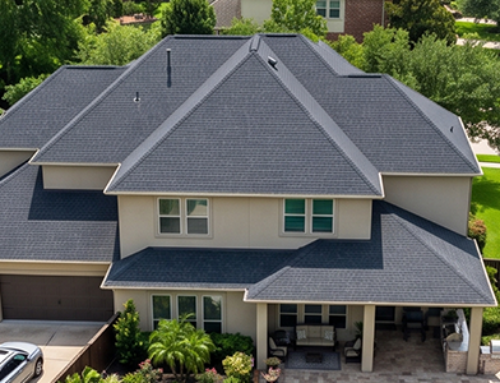
Carriers are tightening around roofs, openings, and defensible space. Specifying resilient assemblies (Class A roofs, impact-rated glazing, ember-resistant details, improved drainage) can lower quotes and support appraisals—often more powerful than a headline price cut. (The Zebra)
Treat compliance as cost control
OSHA’s heat injury/illness prevention rule is advancing; post-hearing comments run through Oct 30, 2025. Standardize water, rest, shade, acclimatization, and training now to avoid productivity dips when enforcement arrives. Flow requirements through sub agreements. (OSHA)
Q4 Action Plan
- Right-size the spec pipeline. Emphasize pre-sold/contract-secured starts to limit carry and protect cash.
- Pair buydowns with credits. Use 45L-eligible measures to help fund targeted rate buydowns or closing assistance while maintaining price integrity. (ENERGY STAR)
- Design for insurability. Specify Class A roofs, impact-rated glazing (where appropriate), improved drainage, and ember-resistant details to improve premium quotes.
- Lock key materials. Stage commitments for volatile items; build alternates into bids to hold margin if markets move.
- Heat readiness now. Implement hydration, shade schedules, and acclimatization logs. Push requirements into subcontracts to prevent disruptions.
Example: A coastal luxury spec was re-estimated with an upgraded roof assembly, sealed deck, and impact-rated windows. The buyer’s quoted annual premium dropped enough to keep the target monthly payment intact after a small buydown. The builder held list price and closed on schedule.
🔷 Make Q4 Predictable with a BPA
Rate relief changes the conversation—not the fundamentals. The teams that win will defend price floors, use credits and design choices to tackle insurance friction, and standardize heat-safety practices to avoid productivity losses. That plan turns a cautious market into steady backlog with margins intact. (Freddie Mac)
A Business Plan of Actions (BPA) turns this article into your playbook: a focused Q4 plan, guardrails for pricing/incentives, an insurability spec pack, heat-readiness SOPs, and a weekly scorecard to keep everyone aligned. ~5 hours of your time, includes a 50-page plan and a 1.5-hour debrief.
Sources: Federal Reserve policy statement (Sept); Freddie Mac PMMS (early Sept); NAHB/Wells Fargo HMI (Sept); ENERGY STAR 45L guidance; Consumer Federation of America — insurance market analysis; OSHA heat rulemaking updates.