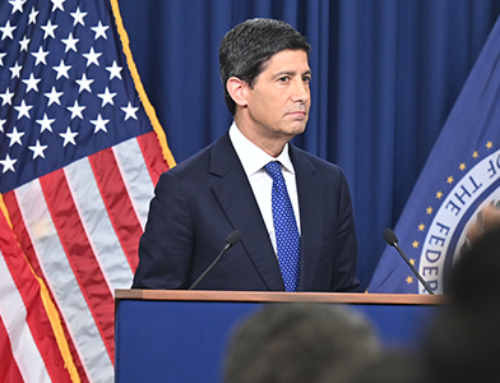
Mortgage rates fell below 6% for the first time in years after President Donald Trump directed the purchase of
$200 billion in mortgage-backed bonds. The average 30-year fixed rate dropped to 5.99% on January 12
(from about 6.21% the day before), a big move in a market where daily changes are usually tiny.
Operator translation: this is a traffic catalyst. It can pull fence-sitters back into model homes and restart payment-driven conversations fast.
It does not remove the structural constraints that decide whether that traffic converts (credit, supply, costs, cycle time).
- What happened: Rates slipped below 6% after Trump directed a $200B mortgage bond purchase program, with the average 30-year fixed rate reported at 5.99% on January 12.
- Why it matters: Crossing 6% is a psychological trigger that can bring fence-sitters back to model homes and re-open monthly payment math.
- What this does not solve: This is demand-side relief, not a supply fix. Lock-in, resale inventory constraints, local zoning, labor, and cost pressures still shape what “recovery” looks like.
- Builder takeaway: Treat this like a window. Reactivate leads, tighten incentive discipline, and prepare for more traffic and more payment-driven conversations, while staying realistic about how quickly demand converts.
Access your BPA →
Mortgage Rates Hit Multi-Year Lows: What Happened and How
Trump’s directive, issued via Truth Social, explicitly ordered his representatives to buy $200B in mortgage bonds with the goal of pushing mortgage rates down, monthly payments down, and making ownership more affordable.
- Government-backed mortgage institutions (Fannie Mae and Freddie Mac), overseen by the FHFA, execute the bond purchases.
- The stated aim is to lower mortgage yields, which can translate into lower consumer rates.
- The market reaction was immediate: the average 30-year rate dropped roughly 0.22 percentage points overnight.
Analysts estimate the full $200B program could reduce mortgage rates by roughly 10 to 15 basis points over time.
That is not a miracle. But in a starved market, small moves can matter because the buyer decision is driven by monthly payment and qualification.
Trump’s Affordability Push Meets a Pressing Need (and the Limits)
This initiative hits a market where affordability has been under intense pressure. Rates ran hot in 2025 while prices stayed elevated, keeping monthly payments high.
Housing activity slowed, and pressure built on policymakers to lower borrowing costs.
- Pull fence-sitters back into your funnel
- Improve qualification math at the margin
- Reduce the incentive dollars required to hit the same payment outcome (if sustained)
- Lock-in: homeowners sitting on ultra-low rates still resist listing
- Supply and zoning: local constraints still control how many homes can be built
- Costs: labor, materials, and regulation still pressure margin and cycle time
- Credit: lender caution can remain tight even if consumer rates improve
Access your BPA →
Builder Outlook: Cautious Optimism for 2026 (NAHB Member Implications)
Builders are greeting sub-6% mortgages with cautious optimism. The 6% threshold can be both psychological and financial.
NAHB analysis suggests that if rates move from roughly 6.25% to 6.0%, a meaningful number of households can re-qualify and re-enter the buyer pool.
Access your BPA →
30-Day Builder Playbook: What to Do While the Window Is Open
Do not treat sub-6% as “problem solved.” Treat it as a conversion opportunity. Your job is to turn rate relief into signed contracts without giving away margin.
- Pull a list: all leads from the last 18 months who stalled on payment
- Send a simple message: “Rates dipped under 6%. Want an updated payment quote?”
- Set call and text cadence for 10 business days (this is where conversions happen)
If rates stay lower, you may be able to spend less to hit the same buyer outcome. Prove it with data first.
- Keep caps per home and approval rules intact
- Lead with payment levers (buydowns, closing costs) before price cuts
- Track incentive cost per contract by community, weekly
- Give sales a one-page payment explainer (simple, not math-heavy)
- Coordinate with preferred lenders on what can and cannot be said in ads
- Teach the team to sell outcomes: “Here is what this does to your payment”
- Stress-test cycle time and trade availability (more traffic can create schedule pain)
- Refresh critical material pricing and lead times
- Increase starts only when absorption and capital can support it
Trump’s $200B mortgage bond purchase program is a real tailwind that can restart buyer motion quickly.
But it is not a cure-all. Supply constraints, credit friction, and costs still decide whether the market improves in a clean, sustainable way.
The best operators will use this moment to tighten follow-up, standardize payment-based selling, and protect margins while demand reactivates.
Access your BPA →