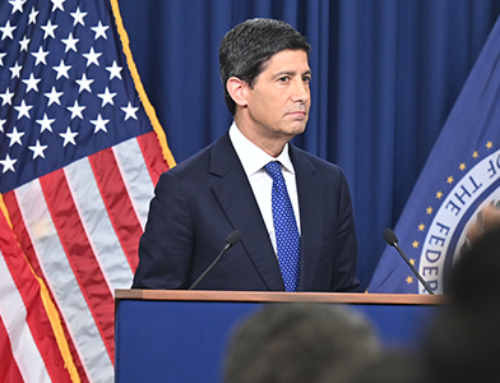
What changed (Dec. 12, 2025): The Fed restarted balance-sheet growth via a new “Reserve Management Purchases” (RMP) program, roughly $40B/month in Treasury bill purchases, to keep bank reserves and system liquidity “ample.” This is positioned as reserve management, not a new QE campaign.
Translation for operators: systemic liquidity is improving, but builder credit still depends on underwriting appetite. Treat the next 30 days like a finance clean-up window before spring selling season pressure tests your balance sheet.
- Liquidity is improving at the system level: RMP adds reserves and reduces odds of a sudden funding squeeze that can freeze lending.
- Builder credit is still the bottleneck: mortgage rates have eased, but construction and AD&C lending standards remain tight after prolonged bank caution.
- Spec carry costs are still punishing: even if base rates drift down, many builders are still paying effective construction money in the high single digits to low teens.
- Plan to sell with incentives baked in: with roughly two-thirds of builders using incentives and price cuts still common, underwriting needs to assume concessions.
- Next 30 days is a finance clean-up window: get ahead of renewals, shore up interest reserves, and line up backup capital before spring selling season.
Access your BPA →
The Fed’s New RMP Program: Liquidity Boost, Not a Stimulus Victory Lap
In early December 2025, the Fed authorized Reserve Management Purchases (RMPs) to maintain an “ample supply of reserves” in the banking system.
The program began Dec. 12, with purchases running about $40B/month in Treasury bills.
The Fed is trying to prevent reserve scarcity from triggering short-term funding stress that can ripple into tighter credit.
It’s a technical liquidity move designed to reduce tail risk in funding markets, especially around predictable reserve drains like tax-related outflows.
Access your BPA →
What This Means for Banks (and Why Builders Should Care)
- Lower funding stress for banks: more reserves generally means less scrambling for deposits and overnight money.
- Less chance of a surprise credit freeze: designed to reduce odds of system issues becoming your renewal problem.
- Underwriting appetite. Bank caution is still driven by risk, regulation, and portfolio preferences, not just liquidity.
- Easy construction lending is not back “because the Fed bought bills.”
Translation: the Fed may be reducing the probability of a systemic funding crunch, but it is not flipping the switch on easy construction lending.
Reality Check: Rates Are Down, Credit Is Still Tight
Yes, mortgage rates have eased from 2025 highs. But the operating environment for builders still looks like this:
- Builder sentiment remains below neutral: NAHB HMI is 39 in December (below 50 for roughly 20 straight months).
- Incentives are now the norm: roughly two-thirds of builders are using concessions to move inventory.
- Construction lending standards have tightened for multiple quarters: many banks are shrinking exposure, tightening terms, and in some cases pausing certain new construction lending.
Bottom line: borrowing costs are off peak, but access to capital and loan terms remain a constraint, especially for smaller operators and spec-heavy portfolios.
Access your BPA →
Builder Implications: How to Adjust the Operating Model
- Prioritize clearing completed specs before late winter if they are not moving.
- Underwrite every spec start with enough margin to absorb a 5% to 10% combined hit from incentives and/or price adjustments without going negative.
- Align spec volume to actual absorption, not your best month in 2022.
- Start renewal conversations early, not 30 days before maturity.
- Show a clean payoff plan: pricing strategy, incentive plan, marketing, buyer pipeline.
- Be ready for stricter terms (collateral, guarantees, tighter covenants).
- Quietly line up at least one backup lender, even if you prefer your current bank.
- Base case: today’s rates plus a modest cushion.
- Upside case: modest declines that create margin expansion or incentive flexibility.
Also do not ignore non-interest carry. Insurance and taxes are not cooperating in many markets.
- Mortgage buydowns, closing costs, structured upgrade packages (often cleaner than headline price cuts).
- Tight sales process to avoid slow contracts that extend carry and burn interest.
Access your BPA →
2026 Planning: Two Rate Scenarios to Run Your Business Against
Falling rates can come with weaker macro conditions. Demand can improve while banks simultaneously tighten.
Plan for both to be true at the same time.
30-Day Financing Playbook: What to Do Before Year-End
- Inventory your debt. List every maturity date, covenant, rate type (fixed vs floating), and collateral position.
- Meet your lender(s). Ask directly how they’re viewing AD&C risk heading into 2026.
- Stress-test your specs. Model 90, 180, and 270 days of carry at current interest. Decide where to cut faster.
- Build interest reserves. Target 3 to 6 months of interest coverage for active projects where feasible.
- Reprice your pipeline. Confirm each active and upcoming deal still works with today’s incentive reality.
- Line up Plan B capital. Identify at least one alternative lender option as a backstop.
- Tighten buyer financing execution. Pre-qual discipline, clean lender coordination, faster closings.
- Track signals weekly. Mortgage rates, HMI, and any updates to RMP pacing that affect liquidity tone.